Ohio Ag Net | Ohio's Country Journal Ohio Ag Net | Ohio's Country Journal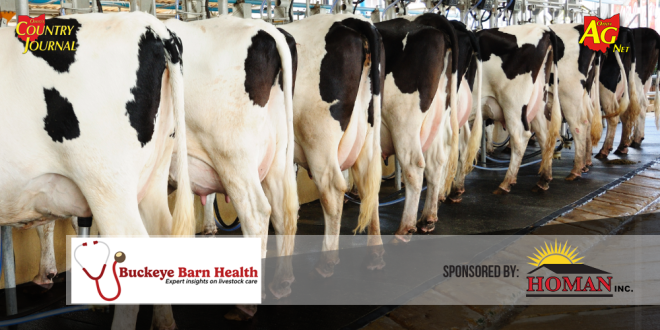
By Shaun Wellert, DVM MS DACVPM
In 2017, as I was preparing for the board exam for the College of Veterinary Preventive Medicine, I spent long days buried in textbooks and long evenings in small-group discussions about hypothetical disease outbreaks. These tabletop scenarios covered everything from foot-and-mouth disease to zoonotic threats, and one in particular still sticks with me: a SARS-like coronavirus spreading rapidly across the globe. Our group debated control measures, tracing the possible path of infection, and brainstorming how to slow it. We quickly ran into a grim reality: limiting human movement enough to meaningfully contain such a disease would be extremely difficult. Our best hope, we concluded, would be the rapid development of an effective vaccine.
At the time, it was just an exercise, but within a few short years, that “what if” became a “right now,” as COVID-19 unfolded in real life and tested the world’s ability to respond. Now, with the highly pathogenic avian influenza (H5N1) outbreak in dairy cattle, we are facing a different kind of challenge, one that is exposing specific weaknesses in how our industry handles novel disease threats.
The modern dairy industry has become increasingly specialized. Some locations focus solely on milking cows while others raise replacement heifers, often in different regions chosen for climate or feed availability. While this system offers efficiency, it also means cattle, and possibly diseases, move long distances. Consolidation has concentrated large numbers of animals on single sites, magnifying the impact when a disease arrives. Processing plants for cull cows are also centralized. In certain areas, there are no local slaughter options, so cattle must cross state lines. If a state imposes an import ban during an outbreak, farms can quickly face bottlenecks in both sourcing replacements and moving culls. In the short term, these disruptions are manageable, but extended closures can cripple an operation, especially when turnover rates approach one-third of the herd annually.
Compared to poultry or swine operations, most dairy facilities were not built with biosecurity as a top priority. Milking, feeding, cleaning, and maintenance require large numbers of workers, many of whom may live or socialize with employees from other farms. Service providers, veterinarians, and breeding technicians often visit multiple farms in a single day. Milk, being highly perishable, is transported daily from farms in tanker trucks, adding another route for disease spread. Wildlife compounds the challenge. Birds, particularly starlings, flock to dairies in the thousands, drawn by feed and open water sources. Rodents and cats also move freely between operations, potentially carrying pathogens.
Large organizations, including state departments of agriculture and the USDA, are not always quick to act, and often, in the early stages of an outbreak, the decisions of individual producers determine the likelihood of a disease becoming widespread. When HPAI first crossed from birds into dairy cattle, early reports from the Texas Panhandle described a “mystery disease.” It took time to identify influenza as the cause, and official acknowledgement lagged. By then, cattle had already moved to multiple states. Ohio was fortunate to avoid a widespread outbreak, thanks in large part to the affected farm’s strong veterinary leadership, effective containment measures, and a bit of luck in being relatively isolated from other dairies.
What practical steps can I take to be more prepared for a disease outbreak?
Farmers can take practical steps now to reduce risk in future outbreaks.
Maintain a stock of basic PPE (gloves, goggles, protective face coverings) to safeguard workers from zoonotic pathogens.
Identify potential on-farm quarantine areas for sick animals.
Participate in programs like the Secure Milk Supply Plan (securemilksupply.org) to ensure milk can continue moving off-farm during a crisis.
Develop contingency plans for replacement sourcing and cull cow marketing if state borders close.
No plan will cover every scenario, but starting with a framework allows quicker adaptation when the unexpected happens. Outbreaks like HPAI in dairy cattle serve as reminders that preparedness isn’t optional; it’s an investment in the resilience of your farm and the industry as a whole.