Ohio Ag Net | Ohio's Country Journal Ohio Ag Net | Ohio's Country Journal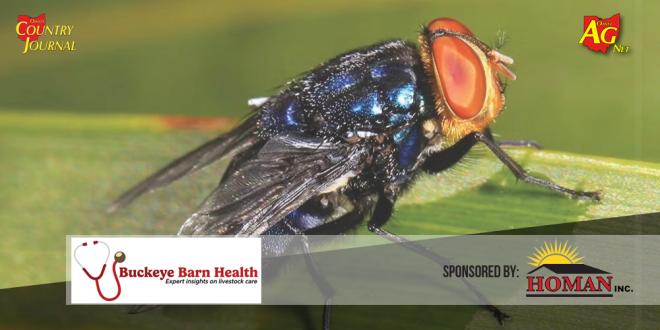
By Afsoon Sabet, Risa Pesapane, Greg Habing, The Ohio State University
In June 2026, New World screwworm (NWS) was detected in Texas. At the time of writing, there have been more than 30 reported cases of NWS in livestock and pets across Texas and New Mexico. NWS is a parasitic fly that affects warm-blooded animals when the larvae (maggots) burrow into tissue and feed on living flesh, causing large and painful wounds. While animals may become infested with NWS, full recovery with proper treatment is possible. Once animals have recovered, they can reenter the production cycle and their products are safe for consumption. Although NWS is a threat to livestock health and security, it does not impact food safety.
It may seem frightening, but NWS was historically found across the Americas. It was eradicated from the United States in the 1960s. Through international collaborative efforts between the United States and Central American countries, NWS was progressively pushed further south until the 1990s, when the Darien Gap in Panama was established as the barrier between NWS-free and NWS-infested regions. While this effort was extremely successful, there have been several incidental reintroductions of NWS in the United States. These were quickly suppressed and did not become widespread. During the last several years, NWS has spread further north of the Darien Gap. This has resulted in thousands of cases in both domestic animals and wildlife, and even in humans.
Signs that an animal may be infested with NWS include:
- Animals that appear depressed, restless, have a decreased appetite, or are isolated from the rest of the herd or flock,
- Animals that rub their bodies against objects, shake their heads, or bite and lick at wounds,
- Wounds with a foul-smelling discharge that grow, instead of heal,
- Maggots inside of wounds (about the size of an uncooked grain of rice)
Monitoring your herds/flocks for early signs of infestation can help identify NWS cases and limit its spread. Small wounds, like wounds from castration, the navel of newborns, ear tags, or even tick bites, can cause an infestation of NWS. Infestations can also happen in/around natural openings of an animal, like around the eyes and nose. Treating animals and wounds with approved pesticides can prevent infestations. If an infestation is suspected, contact your veterinarian immediately for closer inspection and to ensure your animals receive the appropriate care. Not all maggots in wounds are NWS, and confirmation requires professional inspection. Infestations can be treated if caught early, and damage to the animal is minimal. Most animals will fully recover. Treatment of NWS includes:
- Removing and killing all maggots in wound(s),
- Dressing the wound and applying approved pesticides,
- Treating the animal with an approved systemic pesticide to prevent reinfestation
Veterinarians will guide you through the necessary steps, including identifying a NWS infestation, treatment, and future prevention. Veterinarians should report all suspected cases of NWS to the Division of Animal Health. Preventing the spread of NWS is essential to minimizing the negative effects it might have on the livestock industry in the United States. Be aware of animal movement regulations as the situation develops, including those related to animal purchase, movement within a production system, and exhibition of animals.
The cases in Texas and New Mexico seem far away, but NWS travels with the animals it infests. This means that an infested animal could be moved hundreds or thousands of miles if an infestation is not noticed, resulting in the quick spread of NWS across the United States, including to Ohio and the Midwest. It is important to follow all guidelines and regulations regarding animal movement, monitor your animals/herds/flock, and report any possible NWS infestations as soon as possible!