Ohio Ag Net | Ohio's Country Journal Ohio Ag Net | Ohio's Country Journal
By Doug Tenney, Leist Mercantile
Mid-October 2025 marked the 10th anniversary of attending a central Ohio moldboard plowing day for garden tractors. At least 20 participants from Ohio, Michigan, Pennsylvania, and Tennessee took part. The group was made up mostly of John Deere tractors, with Cub Cadet, Wheel Horse, and Allis-Chalmers models balancing out the remainder of the field. Plowing conditions were overwhelmingly better than expected. Rain the week before seemed to erase the drought conditions of August, at least for this event.
Cindy never said the word out loud, but I think she probably deemed the whole thing “silly.” Even so, she always packed a delicious lunch and encouraged me to have a great time and stay as long as I wished. I would describe the day with two words: “fun” and “energizing.” It was fun because I could be outside in all kinds of weather while learning even more about how to fine-tune my plowing results. It always struck me as odd that my friend Darrin offered so many tips on improving my plowing despite never growing up on a farm. Yet he also gave the ultimate compliment — “I will follow you anywhere” — because I was leaving a clean furrow for him to track. And energizing? Don’t ever be too old to keep doing activities that make you feel like a little kid again.
“Starving” is the adjective that best describes the frustrations of producers and traders facing the lack of government reports during the shutdown that began Oct. 1. The CFTC — the U.S. Commodity Futures Trading Commission — publishes the weekly Commitment of Traders (COT) Report, which outlines open interest in numerous commodities, including corn, soybeans, and wheat. It is normally released after the CBOT closes each Friday. Soybeans continue to draw heavy attention as producers and traders are anxious to see the current CFTC position report. In early October, commodity funds were estimated to be short 15,000 soybean contracts. By mid-November, it was estimated they could be long 114,000 contracts.
Soybeans experienced a massive short-covering rally in late October following the brief Oct. 30 meeting between U.S. President Trump and Chinese President Xi. On that day, January 2026 CBOT soybeans had a trading range of 44 cents. That extreme movement was driven by unclear headlines that whipsawed prices by dimes within less than 30 minutes. In the week before Oct. 30, the range was barely 12 cents, and trading volume was dreadfully light.
The actual amount of U.S. soybeans purchased by China appears minimal — just seven boats totaling 455,000 tons, or 16 million bushels, as of Nov. 12. That stands in sharp contrast to new headlines from U.S. officials citing expected purchases of 12 million tons, or 441 million bushels, of U.S. soybeans in the coming months, along with 25 million tons of soybean purchases projected over the next three years.
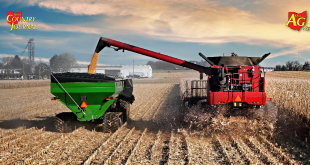
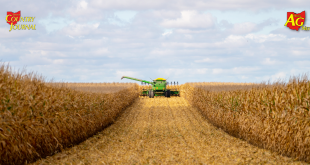
“No lines” became the phrase that baffled Ohio producers, grain facilities, and others during October’s harvest. Before harvest, reports across the Midwest suggested that basis levels could widen and that long, slow truck lines were likely at grain facilities. In Ohio, however, numerous reports indicated that dump times for corn and soybeans were minimal. This is a general observation — I did not contact hundreds of producers, so individual experiences may vary widely. Still, harvest was wide-open for weeks on end except for a few rainouts. That likely meant three things occurred:
First, producers were ready to store as much grain at home as possible due to perceived low prices and got creative in finding storage space.
Second, both home and rented storage were utilized more heavily than expected.
Third, yields were average or below average.
A Nov. 11 article from Farmdoc Daily estimated that Ohio’s ARC-CO payment for corn was $24.63 per base acre and the ARC-CO payment for soybeans was $27.73 per base acre. Each Ohio county varied widely. Some counties received no payments, while others received $50–$90 per acre. Payments are made on base acres, not planted acres, and should have been received by mid-November. As always, producers should contact their local FSA office with any questions.
Thought for the day:
“Winter knows to hush, still, listen, so the soul can speak.” — Angie Weiland Crosby.